What to Do After a Dump Truck Accident in Georgia
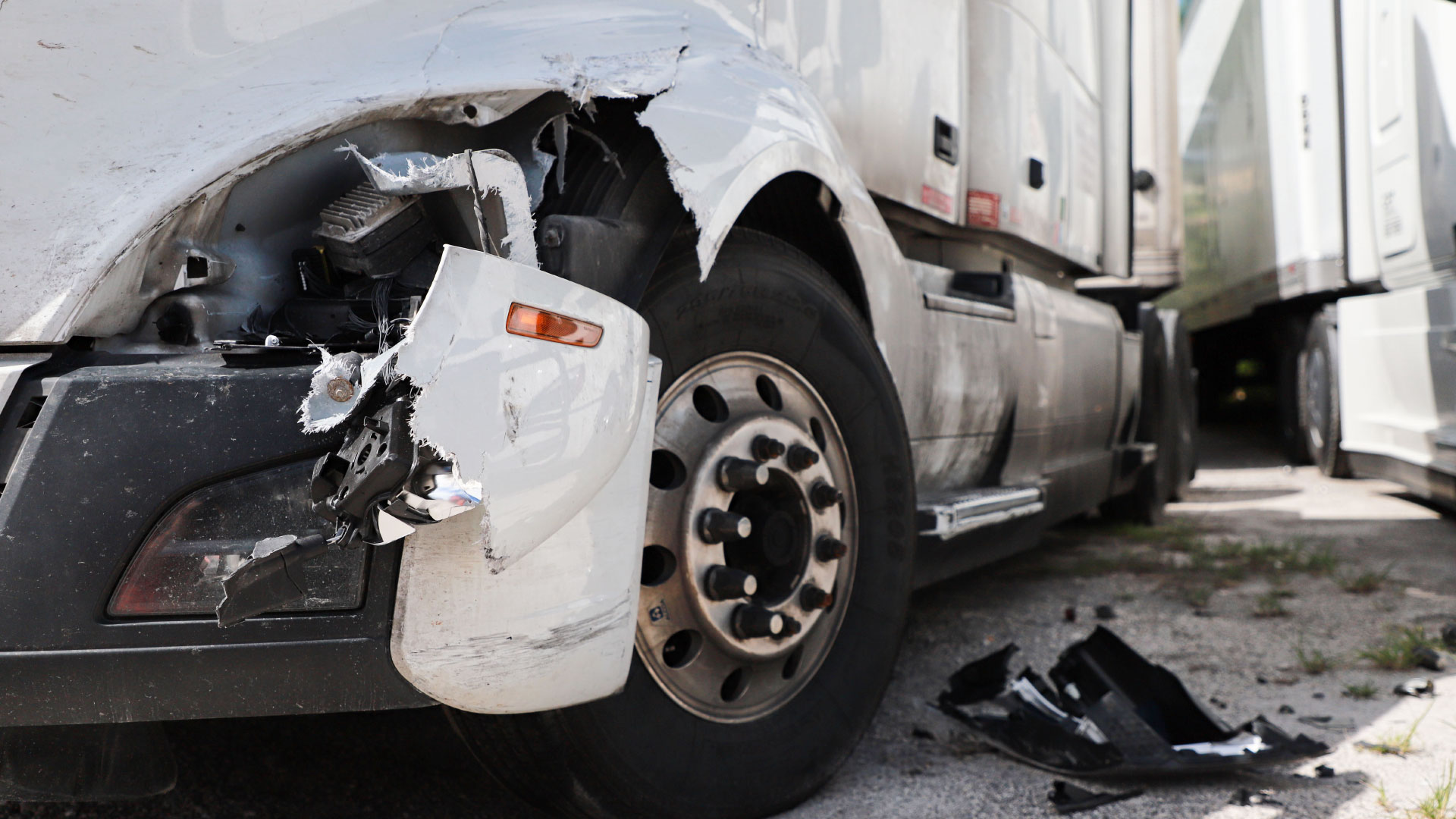
A dump truck crash is not like a typical car wreck. These trucks are tall, heavy, and often loaded with gravel, sand, or asphalt. That means injuries from these trucks are usually serious, and claims frequently involve more than one company.
What you do in the first few days can shape your case. Talking with a dump truck accident lawyer early can help secure evidence before it disappears.
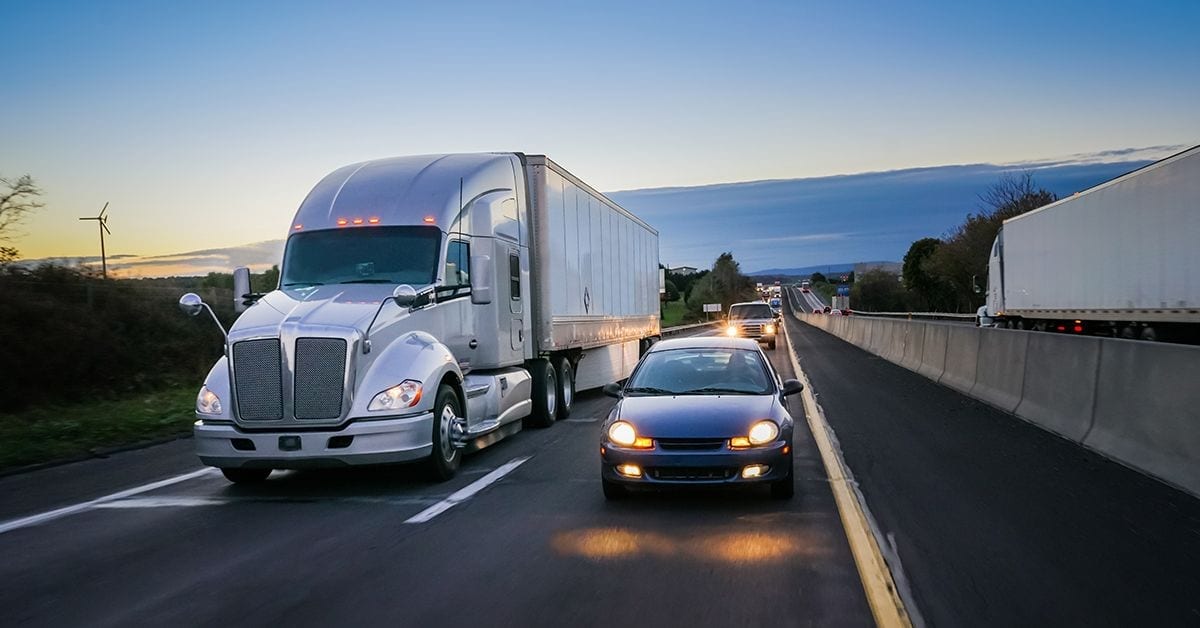
Around Augusta and the CSRA, you share I-20, the Bobby Jones Expressway, the Aiken-Augusta Highway, and the Gordon Highway, just to name a few, with dump trucks hauling to and from job sites. Here is what to do after a dump truck crash in Georgia and what comes next.
Steps to Take Right After Being Hit by a Dump Truck
If you are able, take these steps at the scene or as soon as you can afterward:
- Call 911. A police report creates an official record of the crash, the truck, and the driver, and you are more than likely required to call the police.
- Get medical care, even if you feel fine. Adrenaline can mask the symptoms of head, neck, and internal injuries. Get checked at Wellstar MCG Health, Doctors Hospital, Piedmont, Aiken Regional, or another nearby hospital or ER, and keep every follow-up appointment. Your medical records will matter later.
- Photograph the truck, not just your car. Capture the company name and USDOT number on the door, the license plate, whether the bed was raised, whether the load was tarped, and any gravel or debris on the road.
- Collect names and contact information. Get the driver’s name, the company they drive for, and insurance details. Ask witnesses for their phone numbers.
- Note where the truck was going. A truck headed to or from a job site or quarry can point to other companies involved in the haul.
- Don’t give a recorded statement. The trucking company’s insurer may call you soon after the crash. You don’t have to talk to their insurer, sign anything, or post about the crash on social media.
- Talk to a lawyer early. Trucking companies and their insurers often start building a defense right away.
Evidence That Can Make or Break a Dump Truck Claim
Dump truck cases often turn on records you can’t get on your own. Small, local hauling companies run many dump trucks. If no one asks for their records early, those records can be lost, overwritten, or thrown out.
Records a lawyer can request include:
- Load and Scale Tickets: These show how much the truck was carrying and can reveal an overloaded truck.
- Driver Time Records: Timecards, logs, or electronic logging device (ELD) data show how long the driver had been on duty.
- Maintenance and Inspection Records: These show whether the company kept up with repairs.
- Driver Qualification File: This file holds the driver’s job application, driving record, road test certificate, and medical certification.
- GPS, Telematics, and Dash Cam Footage: Many trucks record speed, braking, and location in the moments before a crash.
- Dispatch Records and Hauling Contracts: These show who hired the truck, where it was going, and who controlled the job.
A lawyer can also send the company a preservation letter (sometimes called a spoliation letter or a litigation hold letter), which formally asks it to keep this evidence. If a company destroys evidence after it knows a claim is coming, a court can penalize it. Preservation letters need to go out as soon as possible to make sure key evidence for a case is preserved!
Common Causes of Dump Truck Accidents in Georgia
Dump trucks are built for work sites, not highway handling. A loaded bed puts heavy weight high up, making rollovers more likely. The trucks also sit high, so a smaller car can slide underneath in a collision.
Common causes of dump truck crashes include:
- Overloading: Extra weight makes the truck harder to stop and easier to tip over.
- Unsecured or Uncovered Loads: Gravel, sand, and rock can fly off, strike windshields, and cause other drivers to swerve.
- Worn Brakes and Tires: Quarries and construction sites wear down parts faster than highway driving.
- Fatigue and Rushing: Drivers paid by the load may feel pressure to squeeze in extra trips.
- Blind Spots and Wide Turns: Large blind spots and wide turns into job sites put nearby cars at risk.
- Construction Zones: Lane shifts, sudden stops, and trucks pulling into traffic leave little room for error.
Because of the truck’s size and weight, these crashes often cause serious harm, including traumatic brain injuries, spinal cord injuries, broken bones, and crush injuries.
How a Dump Truck Claim Differs From a Car Accident Claim
A car accident claim usually involves two drivers and two insurers. A dump truck claim can involve the driver of the truck, the trucking company, a contractor, the business that loaded the truck, and potentially several insurers. Each one may try to shift the blame, sometimes onto you.
Adjusters and defense lawyers for these companies often get involved soon after a crash. That’s another reason to talk with an experienced Augusta dump truck accident lawyer before you make any statements.
Safety Rules Dump Truck Companies Must Follow
Many dump trucks never leave Georgia. These intrastate trucks fall under Georgia Department of Public Safety rules, which adopt most federal motor carrier safety regulations, with some state-specific differences.
Key rules include the following:
- Licensing and Qualification: Drivers of most dump trucks need a commercial driver’s license (CDL) and must meet qualification standards (49 CFR Parts 383 and 391).
- Drug and Alcohol Testing: CDL drivers must be tested at certain times (Part 382).
- Hours of Service: Limits on driving and duty time apply (Part 395). Many local dump truck drivers use a short-haul exception, so the company may keep timecards instead of electronic logs.
- Cargo Securement: Loads must be secured to prevent shifting or spilling (Part 393).
- Inspection and Maintenance: Trucks must be regularly inspected, repaired, and maintained (Part 396).
Georgia law also requires loads to be secured so they don’t drop or shift onto the road (O.C.G.A. § 40-6-254). When a company breaks a safety rule and someone gets hurt, that violation can be strong evidence of negligence.
Who May Be Liable for a Georgia Dump Truck Accident?
A dump truck crash can have several responsible parties. Under Georgia law, an employer is generally responsible for an employee’s negligence on the job (O.C.G.A. § 51-2-2). A company can also be liable for its own mistakes, such as hiring an unsafe driver or skipping training.
Company-Owned vs. Independent Contractor Trucks
Many dump trucks are driven by owner-operators who contract with construction companies. Georgia law generally does not hold a business responsible for an independent contractor’s negligence (O.C.G.A. § 51-2-4), but there are exceptions (O.C.G.A. § 51-2-5).
A simple “contractor” label doesn’t always settle the question. Who controlled the way the driver worked, whose operating authority the truck ran under, and what the contract says between the parties can all matter.
Other parties who may share responsibility include:
- General Contractors and Project Owners: Companies that control a job site or set haul schedules
- Quarries and Loading Companies: Businesses that overload a truck or load it unevenly
- Maintenance Shops: Mechanics who performed faulty brake, tire, or suspension work
- Parts Manufacturers: Makers of defective hydraulic or brake parts, which can lead to a product liability claim
For a deeper look, see our guide to commercial truck accident liability.
How Georgia’s Fault Rules and Deadlines Affect Your Claim
Georgia follows a modified comparative negligence rule (O.C.G.A. § 51-12-33). You may recover damages as long as you are less than 50% at fault, but your share of the blame reduces your award. If a jury finds you 20% at fault, your damages drop by 20%. At 50% or more, you recover nothing.
The same statute also lets a jury divide fault among several defendants. Expect insurers to try to shift fault to you by arguing you were speeding, following too closely, or sitting in a blind spot.
You generally have two years from the crash to file a personal injury lawsuit in Georgia (O.C.G.A. § 9-3-33) and four years for property damage (O.C.G.A. § 9-3-31). If your crash happened in South Carolina, deadlines are different. Either way, records and memories fade long before any deadline.
What If a Government-Owned Dump Truck Hits You?
Some dump trucks belong to a city, a county, or the Georgia Department of Transportation. Before you can sue, Georgia generally requires an ante litem notice, a written notice of your claim sent to the right government office.
The deadline depends on who owns the truck:
- City Vehicles: Notice is due within six months (O.C.G.A. § 36-33-5).
- County Vehicles: Notice is due within 12 months (O.C.G.A. § 36-11-1).
- State Vehicles: Notice is due within 12 months under the Georgia Tort Claims Act (O.C.G.A. § 50-21-26).
Government claims can also face immunity rules and damage caps. Missing a notice deadline can end your claim before it starts.
Not every truck on a public project is a government truck. If a private company was hauling for a GDOT or county project, your claim is usually against that company, and the normal deadlines apply.
Talk With an Augusta Dump Truck Accident Lawyer.
You shouldn’t have to chase down load tickets or argue with a trucking insurer while you heal. At M. Austin Injury Lawyers, we can handle the legal details and deadlines so you can focus on your recovery.
We are an Augusta firm with deep roots in Georgia and South Carolina, and we are not afraid to take a case to trial. If you can’t come to us, we can come to you.
Consultations are free, and you don’t pay us anything unless we recover money for you. Contact M. Austin Jackson Injury Lawyers to discuss the details of your case and your next steps.