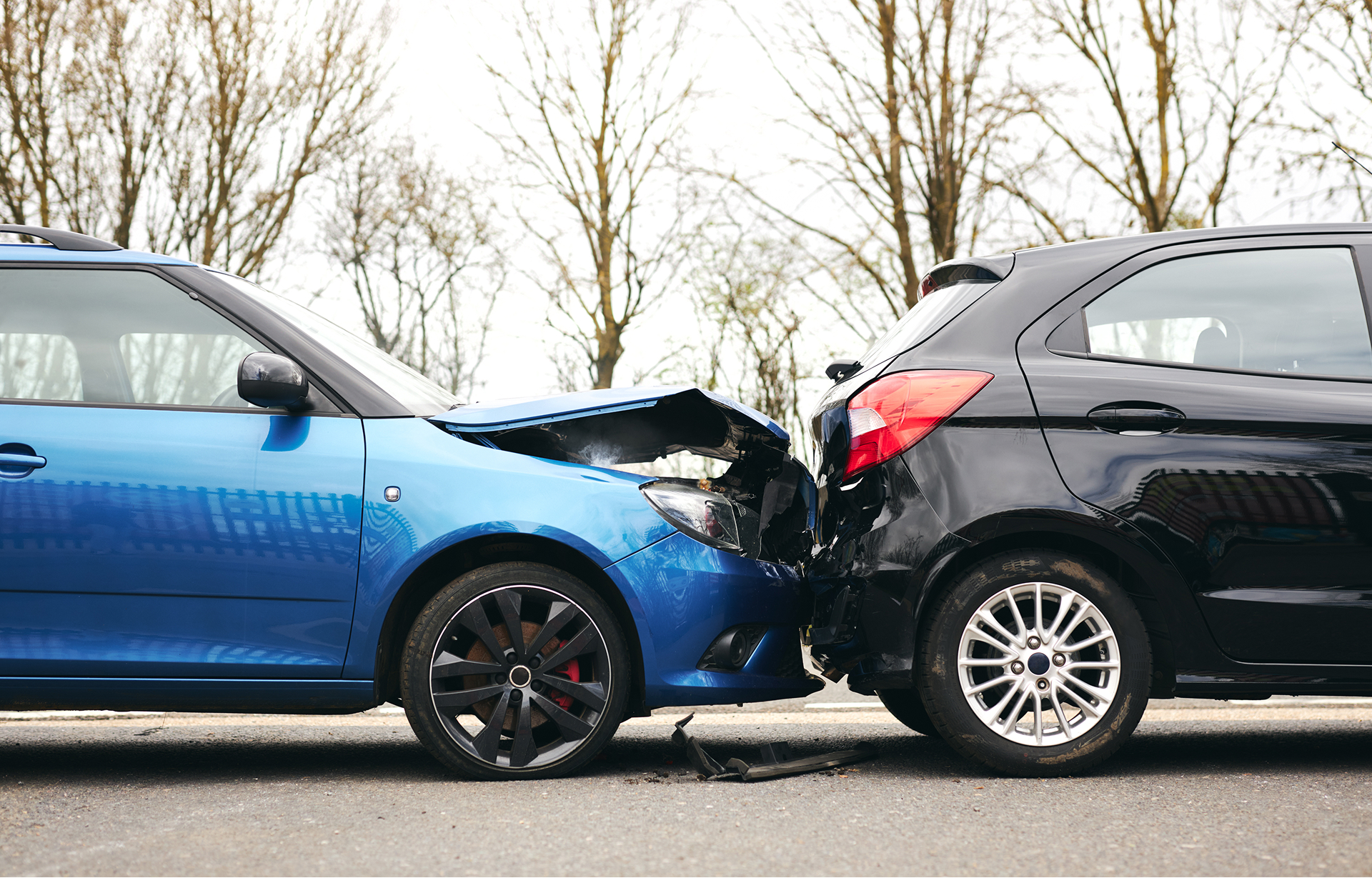
What to Do After a Car Accident in South Carolina
- Immediate Steps to Take After a South Carolina Car Accident
- Do's and Don'ts After a Car Accident in South Carolina
- South Carolina Laws You Need to Know After a Car Accident
- What to Do After You Leave the Accident Scene
- Frequently Asked Questions
- When Should You Call a South Carolina Car Accident Lawyer?
- How M. Austin Jackson Injury Lawyers Helps South Carolina Accident Victims
- Schedule a Free Consultation with M. Austin Jackson Injury Lawyers
After a car accident, the questions start piling up fast. Is anyone hurt? Should you call the police? What information do you need from the other driver? Will insurance cover the damage? And if the other driver’s insurance company calls, what are you supposed to say?
It’s normal to feel shaken after a crash. Your adrenaline is high, traffic may be backing up, and the other driver may be pressuring you to “just handle it” without involving police. But the decisions you make in those first few minutes can affect your health, your insurance claim, and your ability to recover fair compensation later.
At M. Austin Jackson Injury Lawyers, we help injured people across South Carolina navigate the confusing aftermath of car accidents. Whether your crash happened in Aiken, North Augusta, Columbia, Charleston, Greenville, or anywhere else in the state, knowing what to do next can make a real difference.
Here’s what you should know.
Immediate Steps to Take After a South Carolina Car Accident
From the moment the crash happens, your actions matter. The right steps can keep you safe, preserve important evidence, and give you a stronger foundation if you need to file an insurance claim or personal injury case later.
1. Check for injuries and call 911
Your first priority is safety.
If you, a passenger, the other driver, or anyone else may be hurt, call 911 immediately. Do not try to “walk it off” or assume everyone is fine just because the damage looks minor. Many serious injuries, including concussions, whiplash, and soft tissue injuries, do not always show symptoms right away.
Calling 911 also creates an official record of the crash. That report can help document who was involved, what happened, whether anyone reported injuries, and what the officer observed at the scene.
In South Carolina, drivers must report accidents involving injury, death, or property damage of $1,000 or more. If law enforcement does not investigate the crash, South Carolina law requires the driver or owner to file a written report and proof of insurance with the DMV within 15 days.
2. Move to safety if you can
If the vehicles are drivable and it is safe to do so, move them out of traffic. Turn on your hazard lights and get to the side of the road or another safe area nearby.
If the vehicles cannot be moved, stay calm and wait for help. Do not stand in traffic. Do not put yourself at risk trying to inspect damage. Your safety comes first.
3. Do not let the other driver leave without exchanging information
Never allow someone to drive away without getting their information.
When money is involved, people are not always honest. A driver may seem polite at the scene and then give a fake phone number, deny being involved, or stop responding once repair bills and medical expenses come up.
Before anyone leaves, get the other driver’s:
- Full name
- Phone number
- Driver’s license number
- License plate number
- Insurance company
- Policy information
If there are passengers or witnesses, collect their contact information too. Witnesses can be especially helpful if the other driver changes their story or the insurance company tries to dispute fault.
South Carolina is a fault-based state for car accidents, which means the driver who caused the crash may be responsible for the damages. In South Carolina, injured people can pursue compensation when another driver caused the accident.
4. Document everything at the scene
Photograph everything.
Use your phone to take pictures and videos of the accident scene before vehicles are moved, if you can do so safely. Get wide shots that show the full scene and close-up photos that show details.
Try to document:
- Damage to your vehicle
- Damage to the other vehicle
- License plates
- Vehicle positions
- Traffic lights, stop signs, and road signs
- Skid marks or braking marks
- Broken glass or debris
- Weather and road conditions
- Visible injuries
Also write down what happened while your memory is fresh. Include the direction each vehicle was traveling, what you saw, and anything the other driver said.
Evidence disappears quickly. Cars get repaired. Debris gets cleared. Surveillance footage may be deleted. The more you document early, the harder it is for an insurance company to rewrite the story later.
5. Be careful what you say
It is okay to be polite. It is not okay to admit fault.
After a crash, many people instinctively say things like “I’m sorry” or “I didn’t see you.” You may mean it as a human reaction. The insurance company may treat it like an admission.
Stick to the facts when speaking with police, the other driver, and insurance companies. Tell the officer what happened as clearly as you can, but do not guess, speculate, or accept blame.
This matters because South Carolina follows a modified comparative negligence rule. If you are 50% or less at fault, you may still recover compensation, but your recovery can be reduced by your share of fault. If you are 51% or more at fault, you cannot recover.
A few careless words at the scene can make that fight harder than it needs to be.
Do’s and Don’ts After a Car Accident in South Carolina
DO contact emergency services
You will want the police report for your case, and the insurance companies involved will likely want it too. More importantly, if anyone may be hurt, medical attention should be the priority.
South Carolina requires accidents involving injury, death, or property damage of $1,000 or more to be reported. If police do not respond to the scene, you may need to file Form FR-309 with the South Carolina DMV within 15 days.
Because modern vehicle repairs can exceed $1,000 quickly, calling law enforcement is often the safer choice even when the crash looks minor.
DON’T allow the other person to drive off
If the other driver wants to leave before police arrive, be cautious. Do not chase them or escalate the situation, but get as much information as possible.
Write down the license plate number, vehicle make and model, color, direction of travel, and any details about the driver. If witnesses saw the crash, ask for their contact information. Then give everything to law enforcement.
DO report the accident to your insurance company
You should notify your own insurance company promptly after the crash. Your insurance policy is a contract, and it likely requires timely notice.
When you call, give the basic facts:
- Date and time of the crash
- Location
- Vehicles involved
- Whether police responded
- Whether anyone reported injuries
Do not guess about fault. Do not minimize your injuries. Do not say you are “fine” if you are not sure yet.
You should report the accident to your own insurer, but that is different from giving a detailed statement to the other driver’s insurance company. And remember, you have no legal obligation to speak with the other driver’s insurer after an accident.
DON’T apologize for the accident
A simple apology can cause problems later.
The other driver’s insurance company may try to use your words against you, even if you were only trying to be kind. In a South Carolina accident claim, fault matters. If an adjuster can shift enough blame onto you, it may reduce or eliminate what you can recover.
Be respectful. Be calm. But do not admit fault.
DO take lots of pictures at the scene
Pictures can be some of the most useful evidence in a car accident claim.
Photograph your car, the other driver’s car, traffic signs, road conditions, skid marks, visible injuries, and anything else that may help explain how the crash happened. If your injuries prevent you from taking photos, ask a passenger, friend, or witness for help.
DON’T accept a quick settlement
If an insurance company offers money within days of the crash, be careful.
That first offer may sound helpful, especially if your car is damaged and bills are already coming in. But early offers often come before you know the full extent of your injuries, lost wages, future medical care, or long-term impact.
Once you accept a settlement, you may be giving up your right to ask for more later. Before you sign anything, talk to an attorney who can help you understand what your claim may actually be worth.
DO be careful when talking to insurance companies
You may be recorded when you speak with an insurance company. What you say can end up in the claim file and may be used to minimize your injuries or shift blame.
You should report the accident to your own insurer. But you do not have a legal duty to give a detailed statement to the other driver’s insurance company. Be especially cautious with the other driver’s insurer because their goal is to protect their company, not you.
South Carolina Laws You Need to Know After a Car Accident
South Carolina car accident claims are not just about what happened at the scene. State law can affect whether you have a claim, how much your claim may be worth, and how long you have to act.
South Carolina requires certain accidents to be reported
In South Carolina, accidents involving injury, death, or property damage of $1,000 or more must be reported. If law enforcement does not investigate the crash, the driver or owner must forward a written report and proof of liability insurance coverage to the South Carolina Department of Motor Vehicles within 15 days.
That written report is commonly handled through South Carolina DMV Form FR-309. It is important to note that this form is required when the crash involved injury, death, or property damage over $1,000 and police did not respond.
Because repair costs can exceed $1,000 quickly, it is usually safer to call law enforcement after a crash.
South Carolina is a fault state
South Carolina uses a fault-based system for car accident claims. That means the driver who caused the crash, and that driver’s insurance company, may be responsible for the damages.
Those damages may include:
- Medical bills
- Lost income
- Vehicle repairs
- Pain and suffering
- Future medical needs
- Other accident-related losses
Insurance companies know this. That is why they investigate fault carefully and often look for ways to argue that you caused or contributed to the crash.
South Carolina’s comparative negligence rule can reduce your compensation
If the insurance company can blame you for part of the crash, your compensation may be reduced.
South Carolina follows modified comparative negligence. If you are 50% or less at fault, you can still recover compensation, but your recovery may be reduced by your percentage of responsibility. If you are 51% or more at fault, you cannot recover compensation.
That is one reason we tell people not to apologize, guess, or give recorded statements before they understand their rights.
South Carolina has strict legal deadlines
In South Carolina, you generally have three years from the date of the accident to file a personal injury lawsuit. Property damage claims also generally have a three-year deadline. Insurance deadlines can be much shorter, which means waiting too long can hurt your case even before the statute of limitations expires.
The sooner you get advice, the easier it is to preserve evidence, protect deadlines, and avoid mistakes.
What to Do After You Leave the Accident Scene
The accident scene is only the beginning. What you do in the days and weeks after the crash can matter just as much.
Get medical care
Even if you feel okay, pay attention to your body. Pain, stiffness, headaches, dizziness, numbness, and soreness can appear later.
Prompt medical care does two important things. First, it protects your health. Second, it creates medical records connecting your injuries to the crash. If you wait too long, the insurance company may argue that your injuries were not caused by the accident.
Keep every record
Save anything related to the crash, including:
- Medical bills
- Discharge papers
- Prescription records
- Repair estimates
- Tow bills
- Rental car receipts
- Insurance emails
- Text messages
- Photos and videos
- The crash report number
Good documentation helps your attorney evaluate the case and gives the insurance company less room to dispute your losses.
Watch what you post online
After a crash, avoid posting about the accident, your injuries, or your activities on social media. Insurance companies may look for photos, comments, or check-ins they can use to argue that you are not as hurt as you say you are.
When in doubt, keep the details offline.
Talk to an attorney before signing anything
Insurance paperwork can be confusing. A release, settlement agreement, or recorded statement may affect your rights.
Before signing documents or accepting money, have a car accident attorney review your situation. A short conversation can help you understand whether the offer is fair or whether you may be leaving money on the table.
Frequently Asked Questions About South Carolina Car Accidents
Do I have to call the police after a car accident in South Carolina?
You should call law enforcement if anyone is injured, someone is killed, or property damage appears to be $1,000 or more. If law enforcement does not investigate the accident, South Carolina law requires a written report and proof of insurance to be filed with the DMV within 15 days.
Do I have to file Form FR-309 after a South Carolina accident?
You may need to. If the crash resulted in injury, death, or total property damage of $1,000 or more and was not investigated by law enforcement, the driver or owner must submit the written report and proof of insurance to the DMV within 15 days.
Should I call my insurance company after a South Carolina accident?
Yes. You should notify your own insurance company promptly. Give the basic facts, but avoid guessing about fault, minimizing your injuries, or giving a detailed statement before speaking with an attorney.
Should I talk to the other driver’s insurance company?
Not without being careful. You do not have a legal duty to speak with the other driver’s insurance company. Their adjuster may sound friendly, but their job is to protect the insurance company’s money.
What should I avoid saying after a crash?
Avoid saying anything that sounds like an admission of fault. Do not apologize, guess, or speculate. Do not say you are uninjured unless you are completely sure. Stick to facts.
What if the other driver leaves the scene?
Call the police immediately. Do not chase the driver. Write down the vehicle description, license plate number if you saw it, direction of travel, and any witness information. Then notify your insurance company.
Can I still recover compensation if I was partly at fault?
Possibly. In South Carolina, you may still recover compensation if you are 50% or less at fault, but your recovery may be reduced by your percentage of fault. If you are 51% or more at fault, you cannot recover compensation.
How long do I have to file a car accident claim in South Carolina?
South Carolina generally gives you three years from the accident date to file a personal injury lawsuit. Property damage claims also generally have a three-year deadline. Insurance deadlines can be much shorter, so it is best to act quickly.
When Should You Call a South Carolina Car Accident Lawyer?
Not every crash requires a lawyer. For a minor fender bender involving only property damage and no injuries, you may be able to handle the insurance process yourself.
But injury cases are different. Insurance companies have adjusters, investigators, and attorneys working to minimize what they pay. You deserve someone looking out for you.
You should consider calling a lawyer if:
- You were injured
- Your pain started hours or days later
- The other driver blamed you
- The insurance company denied your claim
- You received a quick settlement offer
- The crash involved a hit-and-run driver
- The police report is wrong or incomplete
- You missed work because of the crash
- Your medical bills are adding up
- You are not sure what your claim is worth
At M. Austin Jackson Injury Lawyers, our approach is simple: investigate the accident thoroughly, document your injuries and losses completely, prepare the case like it may go to trial, and communicate clearly with you at every stage.
You focus on healing. We deal with the insurance hurdles.
How M. Austin Jackson Injury Lawyers Helps South Carolina Accident Victims
When you work with our firm, you are not just hiring a name from a search result. You are working with a team that understands South Carolina accident claims, local roads, and how insurance companies operate in this region.
We help clients by:
- Investigating the crash
- Preserving evidence
- Gathering medical records
- Communicating with insurance companies
- Calculating the full value of the claim
- Negotiating for fair compensation
- Filing a lawsuit when needed
We also make the process easier to understand. You will get clear explanations, honest guidance, and regular updates about your case.
That matters. After a crash, you are already dealing with enough.
Schedule a Free Consultation with M. Austin Jackson Injury Lawyers
Evidence from car accidents disappears quickly. Skid marks fade. Vehicles get repaired. Surveillance footage may be deleted. Witnesses forget details. And while South Carolina generally gives you three years to file a personal injury lawsuit, waiting can still put your case at risk.
Getting legal advice early can help you avoid mistakes with insurance companies, protect important evidence, and understand what your claim may be worth.
At M. Austin Jackson Injury Lawyers, your consultation is free. There is no cost to talk with us and no obligation to hire us. We work on contingency, which means you do not pay attorney fees unless we recover compensation for you.
If you were hurt in a South Carolina car accident, let us help you figure out the next step.
Contact M. Austin Jackson Injury Lawyers today to schedule your free consultation.
M. Austin Jackson has more than a decade of experience helping his neighbors in Georgia and South Carolina receive justice and fair compensation after an injury. An Augusta native, Austin is honored to serve this wonderful community, and he prides himself on providing friendly, personal legal guidance for folks in the middle of a hard time.